How Environmental Impact Analysis Shapes Sustainability

Environmental impact analysis plays a crucial role in shaping sustainable development across industries and communities. It helps identify potential environmental risks and benefits associated with projects, policies, or activities before they are implemented. By understanding these impacts, decision-makers can take informed steps to minimize harm and promote long-term ecological balance.
Understanding Environmental Impact Analysis
Environmental impact analysis (EIA) is a systematic process used to evaluate the potential effects of a proposed action on the environment. This includes assessing impacts on air, water, soil, wildlife, vegetation, and human health. The goal is to predict environmental consequences early enough to allow for modifications or alternatives that reduce negative outcomes.
The process typically involves:
Screening: Determining if a project requires an EIA.
Scoping: Identifying which environmental aspects to study.
Impact Assessment: Analyzing potential effects and their significance.
Mitigation: Proposing measures to avoid, reduce, or compensate for adverse impacts.
Reporting: Documenting findings in an Environmental Impact Statement (EIS).
Monitoring: Tracking impacts during and after project implementation.
For example, a new highway construction project would undergo EIA to evaluate effects on local wildlife habitats, water runoff, noise pollution, and air quality. This analysis helps planners design routes and construction methods that minimize environmental damage.

The Role of Environmental Impact Analysis in Sustainable Development
Sustainability aims to meet present needs without compromising the ability of future generations to meet theirs. Environmental impact analysis supports this by ensuring that development projects consider ecological limits and social well-being.
Key ways EIA shapes sustainability include:
Promoting Resource Efficiency: By identifying resource use and waste generation, EIA encourages projects to optimize materials and energy consumption.
Protecting Biodiversity: EIA highlights sensitive ecosystems and species, guiding conservation efforts.
Enhancing Public Health: Assessing pollution and hazards helps prevent health risks to communities.
Supporting Regulatory Compliance: EIA ensures projects meet environmental laws and standards.
Encouraging Stakeholder Engagement: Public participation in EIA processes fosters transparency and community support.
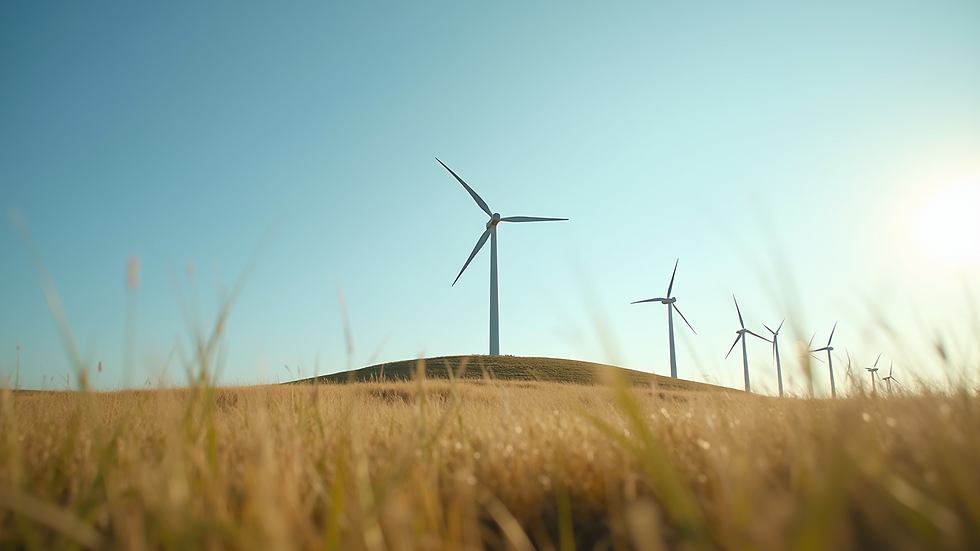
For instance, renewable energy projects like wind farms undergo EIA to balance clean energy benefits with potential impacts on bird migration and local landscapes. This balance is essential for truly sustainable energy solutions.
Practical Applications of Environmental Impact Analysis
Environmental impact analysis is applied across various sectors to guide sustainable practices. Here are some practical examples:
Urban Planning
Cities use EIA to assess the environmental effects of new developments such as housing, commercial centers, and transportation infrastructure. This helps reduce urban sprawl, manage stormwater, and preserve green spaces.
Industrial Projects
Factories and manufacturing plants conduct EIA to evaluate emissions, waste disposal, and resource consumption. This leads to cleaner production methods and pollution control technologies.
Agriculture
EIA helps farmers and agribusinesses understand impacts of pesticide use, irrigation, and land clearing on soil health and water quality. Sustainable farming practices can then be implemented.
Mining and Extraction
Mining operations require thorough EIA to address land degradation, water contamination, and habitat disruption. Rehabilitation plans are often part of the mitigation strategy.
Tourism Development
Resorts and recreational facilities use EIA to protect natural attractions and cultural heritage sites from overuse and degradation.
By integrating environmental considerations early, these sectors can reduce costs, avoid legal issues, and enhance their social license to operate.

How to Conduct an Effective Environmental Impact Analysis
Conducting a thorough and effective EIA involves several best practices:
Engage Experts Early: Involve environmental scientists, engineers, and social specialists from the start.
Use Baseline Data: Collect accurate information on existing environmental conditions.
Consider Alternatives: Evaluate different project designs or locations to find the least harmful option.
Involve Stakeholders: Include local communities, NGOs, and government agencies in consultations.
Focus on Cumulative Impacts: Assess combined effects of multiple projects or activities in the area.
Develop Clear Mitigation Plans: Specify actions, responsibilities, and timelines for impact reduction.
Implement Monitoring Programs: Track environmental indicators during and after project completion to ensure compliance.
For those interested in detailed methodologies and regulatory frameworks, resources on poveikio aplinkai vertinimas provide valuable guidance.
The Future of Environmental Impact Analysis in Sustainability
As global challenges like climate change, biodiversity loss, and resource depletion intensify, environmental impact analysis will become even more critical. Advances in technology such as remote sensing, geographic information systems (GIS), and data analytics are enhancing the accuracy and efficiency of EIAs.
Moreover, integrating social and economic dimensions into environmental assessments is gaining importance to achieve holistic sustainability. This includes evaluating impacts on livelihoods, cultural values, and equity.
Organizations and governments are increasingly adopting strategic environmental assessments (SEA) to evaluate policies and plans at a broader scale, complementing project-level EIAs.
By continuously improving environmental impact analysis, society can better balance development needs with ecological preservation, ensuring a healthier planet for future generations.



Comments